The Future Homes Standard Is Here
On 24th March 2026, the Ministry of Housing, Communities and Local Government published the Future Homes Standard, which is being delivered through amendments made to Building Regulations in England, primarily Parts L (released), F (released), O (not yet released) and associated compliance methodologies SAP 10.3 and HEM (not yet released).
The Future Homes Standard is the overall performance target, whereas the Building Regulations Parts are the regulatory mechanisms to enforce it. This has been in the pipeline since 2019 and comes into force on 24th March 2027.
For a lot of the construction industry, this represents a significant shift. For us, it includes the use of technologies we’ve been delivering across Gusto Homes developments for almost 30 years.
What does the Future Homes Standard actually mean?
In simple terms, the Future Homes Standard is designed to ensure all new homes are zero carbon ready - meaning they will not require retrofitting as the electricity grid decarbonises. It effectively ends the use of gas boilers in new homes, replacing them with low-carbon systems.
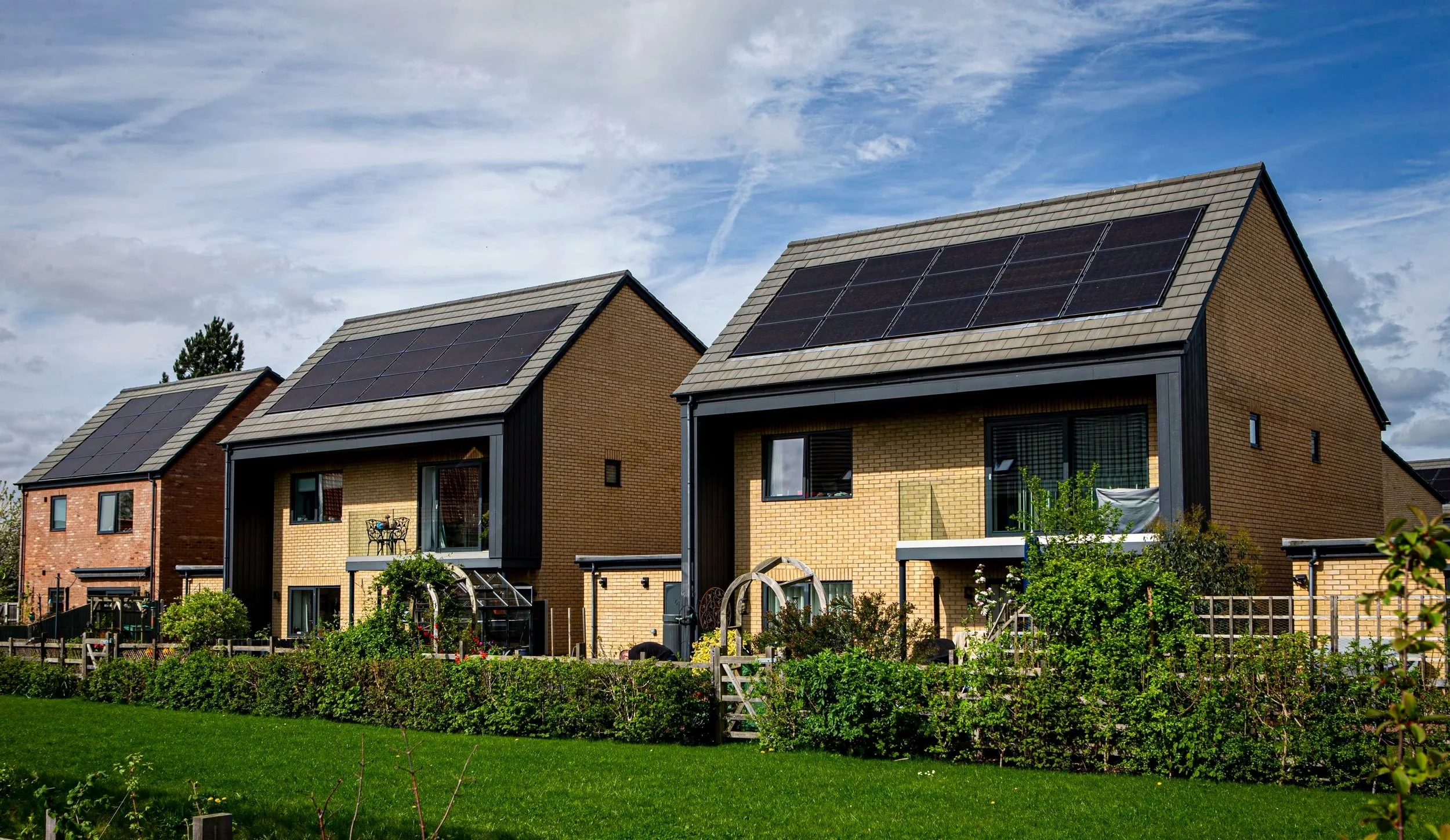
Alongside the switch to low carbon heating, the notional dwelling includes on-site renewable energy generation, typically solar PV, and most developments are expected to adopt this approach. Other key changes include: tighter air permeability targets and improved ventilation systems.
It's a positive step forward for the industry. Going forward, new homes in England should be significantly better to live in, cheaper to run and less harmful to the environment than homes that have been built to minimum standards over recent decades.

We’ve been building this way for 30 years
At Gusto Construction, we have been delivering developments for Gusto Homes that exceed the Future Homes Standard in operational performance for decades. Air source heat pumps, solar PV, enhanced insulation, high-performance glazing, tight air permeability and enhanced ventilation systems - these are construction methods and technologies we have put into multiple developments.
The Future Homes Standard’s notional dwelling uses an air permeability of 4 m³/m²/hr as the benchmark that new homes must match, even though developers can use different specifications to achieve the same overall performance. On our current Gusto Homes development, Easthorpe Green, we're achieving results as low as 1.5. The regulations are catching up to a standard we've been working to for years.
The Future Homes Standard is a positive development for both the industry and homeowners across the country. As we move into 2027, choosing a contractor with a long track record in low‑carbon construction will make the transition straightforward and ensure homes are delivered to the highest standard.
What this means for the homes we build
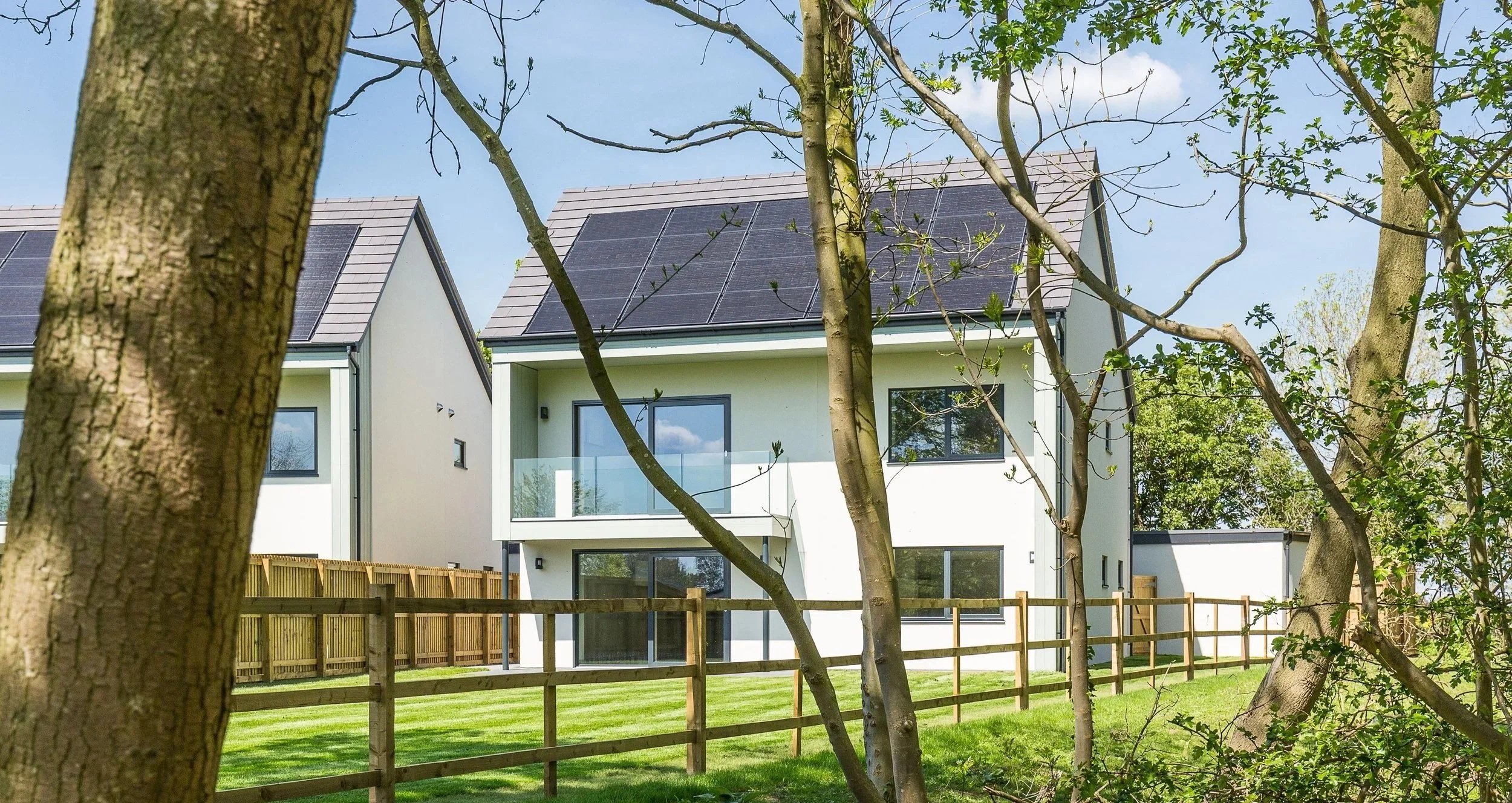
For Gusto Homes developments, the Future Homes Standard reinforces the value of building to an enhanced specification.
Homeowners moving into Gusto Homes developments already benefit from homes that are efficient, comfortable and future‑ready. It’s encouraging to see the industry moving in this direction, and we’re excited to see the positive change it will bring nationwide.
Gusto Construction is the contractor delivering residential developments for Gusto Homes and a range of public and private sector clients.